

Best Ipamorelin vs Sermorelin: Growth Hormone Peptide Comparison 2026 — ReadyRx Prescription Telehealth Analysis
Independent research summary reviews mechanisms, regulatory considerations, and telehealth access pathways as consumers compare growth hormone secretagogues heading into 2026.
CHEYENNE, WY, Jan. 09, 2026 (GLOBE NEWSWIRE) -- Disclaimer: This article is for informational purposes only and does not constitute medical advice. Growth hormone secretagogue therapy requires evaluation by a licensed healthcare provider. Always consult a qualified healthcare professional before starting any prescription treatment. Affiliate Disclosure: If you purchase through links in this article, a commission may be earned at no additional cost to you. This compensation does not influence the accuracy or integrity of the information presented.
As interest in peptide therapy for longevity, recovery, and body composition continues heading into 2026, two growth hormone secretagogues appear frequently in consumer research: Ipamorelin and Sermorelin. Both peptides work by stimulating the body's natural growth hormone production rather than introducing synthetic growth hormone directly, but they accomplish this through different mechanisms, carry different regulatory profiles, and may suit different individuals depending on health goals and medical history.
This analysis examines both peptides based on published research, regulatory considerations, and practical access pathways. This report is not a product review, does not recommend a specific therapy, and does not replace individualized clinician guidance.
For those exploring prescription peptide therapy through licensed telehealth channels, according to the company's published information, ReadyRx operates a telehealth coordination model through which independent clinicians may prescribe Sermorelin when clinically appropriate, with fulfillment handled by partner pharmacies.
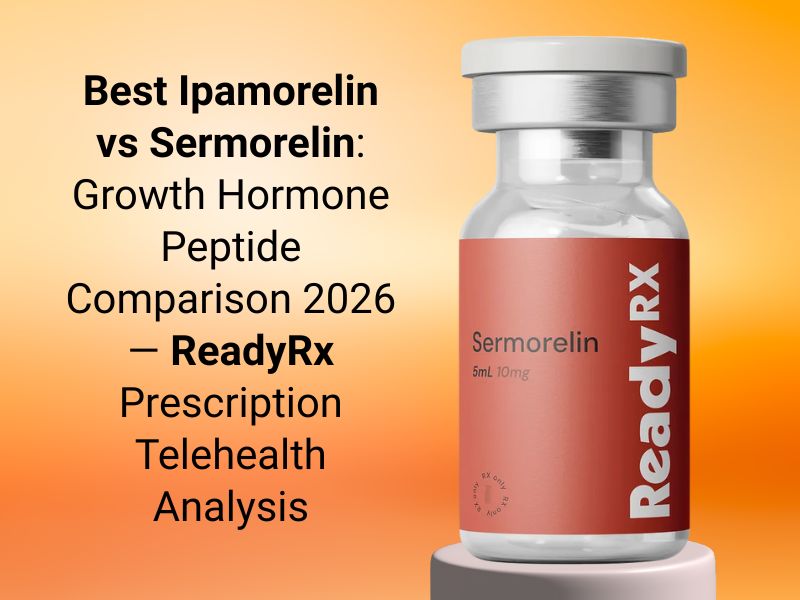
Readers may view the current Sermorelin offer (official ReadyRx page) for additional details.
Understanding Growth Hormone Secretagogues
Before comparing these two peptides directly, understanding the broader category of growth hormone secretagogues provides necessary context for individuals researching this area with their healthcare providers.
Growth hormone production naturally declines with age, a process sometimes referenced in endocrinology literature as somatopause. Published endocrinology research indicates that growth hormone production gradually declines with age in adults. This decline correlates with changes in body composition, sleep quality, recovery capacity, and metabolic function that many adults experience as they age.
Growth hormone secretagogues are compounds that stimulate the pituitary gland to produce and release more of the body's own growth hormone. According to peer-reviewed literature, unlike synthetic growth hormone replacement (recombinant HGH), secretagogues work with the body's existing feedback mechanisms, which may result in more physiologically natural GH pulsing patterns. For additional context on this category, readers may reference related analysis on best peptides for boosting growth hormone published previously.
Clinical reference materials describe two primary pathways for stimulating GH release:
GHRH Pathway (Growth Hormone-Releasing Hormone): This represents the body's natural signaling mechanism for GH production. GHRH analogs like Sermorelin mimic this natural signaling molecule.
GHRP Pathway (Growth Hormone-Releasing Peptides): These peptides work through ghrelin receptors (GHS-R) to trigger GH release through a complementary mechanism. Ipamorelin falls into this category.
Understanding this distinction is relevant for individuals discussing options with their healthcare providers.
Ipamorelin: Mechanism and Research Background
Ipamorelin is a synthetic pentapeptide classified as a growth hormone-releasing peptide (GHRP). According to published research, it was developed in the 1990s and has been studied primarily in animal models and limited human trials.
Mechanism of Action
Endocrinology research describes Ipamorelin as binding to ghrelin receptors (growth hormone secretagogue receptors) in the pituitary gland, triggering growth hormone release. According to peer-reviewed literature, unlike some other GHRPs, research indicates Ipamorelin demonstrates selectivity, meaning it primarily stimulates GH without significantly elevating cortisol, prolactin, or other hormones that some GHRPs may affect.
This selectivity has generated interest among researchers and clinicians, as minimizing off-target hormonal effects may improve tolerability for some individuals when clinically appropriate.
Published Research Context
Research on Ipamorelin referenced in clinical literature includes animal studies demonstrating GH release stimulation, limited human pharmacokinetic studies establishing dosing parameters, and research examining Ipamorelin's effects on gastrointestinal motility, where it has shown particular interest for post-operative applications.
According to published sources, much of the Ipamorelin research focuses on its potential applications for post-operative ileus (bowel dysfunction after surgery) rather than anti-aging or body composition applications. While the peptide demonstrates GH-releasing properties in published studies, the body of human clinical evidence specifically for longevity or performance applications remains more limited compared to some other secretagogues.
Regulatory Considerations
Ipamorelin is not FDA-approved in the United States for any approved indication. Availability through compounding pathways can vary as regulatory and pharmacy policies evolve. Individuals researching Ipamorelin should verify current regulatory status and ensure any provider operates within applicable legal frameworks. The regulatory landscape for peptides continues evolving.
Sermorelin: Mechanism and Research Background
Sermorelin is a synthetic analog of growth hormone-releasing hormone (GHRH). Specifically, according to clinical reference materials, it consists of the first 29 amino acids of the 44-amino-acid GHRH molecule. These 29 amino acids represent the biologically active portion responsible for stimulating GH release.
Mechanism of Action
According to published literature, Sermorelin works by mimicking the body's natural GHRH signaling. When administered, it binds to GHRH receptors on the pituitary gland, triggering the same cascade that natural GHRH would initiate. This stimulates somatotroph cells in the pituitary to synthesize and release growth hormone.
Peer-reviewed research describes that because Sermorelin works through the body's natural GHRH pathway, it maintains normal feedback inhibition, meaning the body's regulatory mechanisms remain intact. This differs from direct GH replacement, where external hormone administration can affect natural production pathways.
Research Maturity and Clinical Data
Sermorelin has a more extensive research history than Ipamorelin in published clinical literature, including trials demonstrating increased GH and IGF-1 levels in adults, research examining body composition parameters, studies examining effects on sleep architecture, and long-term safety data from its period of FDA approval for pediatric GH deficiency.
The research base for Sermorelin, while variable across study populations, provides more human clinical data than is available for many other peptide secretagogues according to comparative literature reviews.
Regulatory Profile
Sermorelin's regulatory history differs notably from Ipamorelin. According to publicly available records, Sermorelin was previously FDA-approved (marketed as Geref) for diagnostic use and for certain pediatric growth hormone applications. The branded product was discontinued for commercial reasons, not safety concerns according to available disclosures. Sermorelin remains available as a compounded prescription medication through licensed pharmacies under FDA compounding regulations. It represents one of the more established secretagogues in the compounding pharmacy space with a clearer regulatory pathway.
This regulatory profile means Sermorelin can be prescribed by licensed clinicians and compounded by registered pharmacies operating under appropriate federal and state guidelines. Additional background on ReadyRx Sermorelin prescription telehealth access is available for readers seeking further platform-specific context.
Comparing Ipamorelin and Sermorelin: Key Considerations
For individuals evaluating these two peptides with their healthcare providers, several comparison factors warrant discussion.
Mechanism Differences: GHRH vs GHRP Pathways
The fundamental distinction lies in how each peptide triggers growth hormone release. According to endocrinology research, Sermorelin works through the GHRH pathway, the same signaling mechanism the body uses naturally. Ipamorelin works through the GHRP/ghrelin receptor pathway, which represents a complementary but distinct mechanism.
Some clinical discussions suggest that GHRH analogs like Sermorelin may produce GH release patterns more similar to natural pulsatile secretion since they work through the endogenous pathway. The clinical significance of this difference remains an area of ongoing discussion among practitioners.
Research Maturity and Clinical Data Depth
Sermorelin's longer history provides more published human clinical data for clinicians to reference when making prescribing decisions. According to literature comparisons, while both peptides demonstrate GH-releasing properties, the depth of Sermorelin research across multiple study populations exceeds that currently available for Ipamorelin.
This difference in research maturity may influence how clinicians approach prescribing discussions and what they can reference when establishing protocols. Individuals interested in body composition applications specifically may find related context in previous analysis covering best peptides for muscle growth.
Regulatory and Compounding Access Considerations
Sermorelin's prior FDA approval history provides a stronger regulatory foundation compared to peptides without such history. For individuals seeking peptide therapy through established telehealth platforms with medical oversight, Sermorelin is more consistently available through legitimate channels.
Regulatory clarity matters for both patients and providers. Working with compounds that have established compounding pathways reduces uncertainty about legal and quality parameters.
Quality Controls and Pharmacy Oversight Factors
Compounded medications, including both peptides where available, are prepared by licensed pharmacies based on individual prescriptions. According to published FDA guidance, compounded medications are not reviewed or approved by the FDA as finished products. They are prepared using active ingredients sourced from FDA-registered facilities under the direction of a prescribing clinician.
Legitimate compounding pharmacies operate under FDA and state board of pharmacy oversight, follow USP standards, and conduct quality testing on their preparations. Individuals should verify that any pharmacy fulfilling peptide prescriptions maintains appropriate licensing and testing protocols.
Why Clinician Evaluation Matters
Neither peptide is appropriate for self-directed use. According to clinical guidance, growth hormone secretagogues require proper medical evaluation to assess appropriateness based on individual health factors, contraindications, concurrent medications, and monitoring needs.
Factors that clinicians typically evaluate include baseline hormone status, medical history, current medications, contraindications such as active malignancies or uncontrolled diabetes, and individual health goals. The determination of whether any growth hormone secretagogue therapy is appropriate rests with the evaluating clinician, not the patient or platform.
Nothing in this report should be interpreted as a recommendation, endorsement, or preference for any specific therapy or provider.
Important Prescribing and Compounding Context
Anyone considering peptide therapy should understand how these medications reach patients and who is involved in the process.
Compounded Medications Explained
Compounded medications are prepared by licensed pharmacies based on individual prescriptions from licensed clinicians. Compounded medications are not reviewed or approved by the FDA as finished products. They are prepared using active ingredients sourced from FDA-registered facilities under the direction of a prescribing clinician.
This distinction matters because it means the specific formulation dispensed has not undergone the same approval process as mass-manufactured pharmaceuticals. However, legitimate compounding pharmacies operate under regulatory oversight and follow established preparation standards.
The Three-Entity Telehealth Model
Platforms offering prescription peptide therapy typically involve three separate entities with distinct roles:
The Telehealth Platform: According to ReadyRx's published terms, the platform functions as a technology and coordination service connecting patients with healthcare providers. ReadyRx itself is not a healthcare provider and does not make prescribing decisions.
Licensed Medical Providers: Independent healthcare professionals review patient information submitted through the platform and determine whether prescriptions are appropriate based on individual health factors. The platform cannot guarantee any individual will receive a prescription, as that determination rests entirely with the evaluating clinician.
Partner Compounding Pharmacies: Licensed U.S. pharmacies fulfill prescriptions written by the medical providers. According to ReadyRx disclosures, medications are sourced through FDA-registered compounding pharmacies that follow regulatory and safety guidelines.
This three-entity structure ensures appropriate separation between the technology platform, clinical decision-making, and medication dispensing.
ReadyRx Sermorelin Program Overview
For individuals who, after consulting with a licensed clinician, are determined to be appropriate candidates for Sermorelin therapy, ReadyRx coordinates access through its telehealth model.
Available Formats
According to publicly available ReadyRx disclosures, Sermorelin may be prescribed by evaluating clinicians in different administration formats, depending on clinical determination and patient factors:
Sermorelin Injectable: A vial format for subcutaneous injection administration with third-party lab testing for potency, sterility, pH level, and endotoxicity according to company disclosures.
Sermorelin ODT (Orally Dissolving Tablets): A sublingual tablet format used in certain clinical contexts for individuals who prefer needle-free administration.
Program and Pricing Information
According to ReadyRx's publicly available disclosures, treatment pricing varies by format, plan term, and provider determination, and may change over time. Readers can view the current ReadyRx telehealth offer (official ReadyRx page) to verify current program terms.
Program Structure
According to ReadyRx, programs may include clinician messaging and pharmacy fulfillment coordination, though services vary by plan and state availability. ReadyRx publishes program structure and support information on its official website.
Telehealth Coordination Model
ReadyRx operates through a telehealth coordination model that connects individuals with independent licensed healthcare providers and U.S.-based compounding pharmacies. Prescribing decisions are made solely by evaluating clinicians, and prescriptions are not guaranteed.
Considerations for Discussing Peptide Therapy With Providers
Some adults exploring clinician-supervised evaluation for age-related hormonal changes discuss growth hormone secretagogues with their providers, depending on medical history and individual goals.
Topics That May Warrant Provider Discussion
Individuals considering whether to discuss growth hormone secretagogue therapy with their healthcare providers may reflect on whether they have experienced changes in recovery capacity, sleep quality, or body composition that concern them and warrant medical evaluation.
However, many factors can contribute to such changes, and growth hormone secretagogues are not appropriate for all individuals or all circumstances. A clinician evaluation is necessary to determine whether such therapy warrants consideration based on individual health factors.
Factors That May Affect Appropriateness
According to general clinical guidance referenced in published sources, growth hormone secretagogues may not be appropriate for individuals with certain contraindications including active malignancies, uncontrolled diabetes, or other conditions that a clinician would evaluate during the prescribing process.
Age, baseline health status, concurrent medications, and individual health goals all factor into clinical determinations. The evaluating clinician, not the patient, not the platform, makes the determination of whether therapy is appropriate.
Questions to Consider Before Seeking Evaluation
Before beginning any consultation process, individuals may benefit from reflecting on what specific concerns they hope to address, whether they have had relevant baseline testing, whether they are prepared for the commitment that ongoing prescription therapy entails, and whether they have conditions that might affect appropriateness.
Discussing these questions with a healthcare provider helps ensure any therapy pursued aligns with realistic expectations and appropriate medical oversight.
Monitoring and Follow-Up Considerations
Providers typically monitor response over time using symptoms, labs when appropriate, and safety assessments. Follow-up cadence is individualized and determined by the prescribing clinician.
According to clinical guidance, growth hormone secretagogue therapy is not a one-time intervention but an ongoing process requiring medical oversight. The prescribing clinician determines appropriate monitoring protocols based on individual patient factors.
Contact Information
For questions about ReadyRx's Sermorelin program, according to the company's website:
ReadyRxEmail: support@readyrx.com Location: Cheyenne, Wyoming
The platform states it offers customer support and clinician access through its online portal.
Readers may view the current Sermorelin offer (official ReadyRx page) for program details.
Safety Considerations
Sermorelin is a prescription medication requiring clinician evaluation and monitoring. General safety considerations from published sources include potential injection site reactions for injectable formats, an initial adjustment period where some individuals report temporary effects, and individual response variation based on numerous factors.
This overview is not exhaustive and does not replace consultation with a licensed healthcare provider. Individuals with existing health conditions, those taking other medications, or those who are pregnant or nursing should discuss Sermorelin specifically with their physician before beginning any peptide therapy.
Summary Assessment
Nothing in this report should be interpreted as a recommendation, endorsement, or preference for any specific therapy or provider.
For individuals researching growth hormone secretagogue therapy heading into 2026, both Ipamorelin and Sermorelin represent areas of scientific interest with demonstrated GH-releasing properties in published research.
However, practical considerations regarding regulatory clarity, research maturity, and access pathways distinguish them. Sermorelin's prior FDA approval history, more extensive published human clinical research, and established compounding pharmacy access pathway have contributed to more consistent availability through certain licensed telehealth platforms, depending on provider participation and state regulations.
Important Note: The telehealth peptide therapy space has experienced regulatory scrutiny. Individuals should verify the current compliance status and licensing of any platform or provider before beginning treatment. Working with established platforms that clearly disclose their regulatory structure, use licensed U.S. pharmacies, and require legitimate medical evaluations provides important protections.
This report is not a product review, does not recommend a specific therapy, and does not replace individualized clinician guidance. Individuals interested in exploring growth hormone secretagogue therapy should consult with a licensed healthcare provider to discuss whether such therapy is appropriate for their individual circumstances.
View the current ReadyRx telehealth offer (official ReadyRx page)
Frequently Asked Questions
What is the difference between Ipamorelin and Sermorelin?
According to published research, both peptides stimulate growth hormone release but through different mechanisms. Sermorelin is a GHRH analog that works through the body's natural growth hormone-releasing hormone pathway. Ipamorelin is a GHRP that works through ghrelin receptors. Sermorelin has prior FDA approval history and more extensive published clinical data.
Can I get Ipamorelin through ReadyRx?
According to publicly available information, ReadyRx currently coordinates access to Sermorelin in both injectable and ODT formats. Individuals interested in other peptides should verify current availability and regulatory status through appropriate medical channels.
Is ReadyRx a healthcare provider?
According to the company's published terms, ReadyRx functions as a telehealth platform connecting patients with independent licensed healthcare providers. ReadyRx itself is not a healthcare provider. Prescribing decisions are made by the licensed clinicians who review patient information through the platform.
Does insurance cover Sermorelin from ReadyRx?
According to ReadyRx's published information, insurance is not required and the platform operates outside federal and state healthcare program enrollment. Payments are accepted via HSA, FSA, and other methods according to company disclosures. Coverage varies, so individuals should verify FSA/HSA eligibility with their specific plan administrator.
How is response to Sermorelin therapy monitored?
Providers typically monitor response over time using symptoms, labs when appropriate, and safety assessments according to clinical guidance. Follow-up cadence is individualized and determined by the prescribing clinician based on patient factors.
Disclaimers
Content and Medical Disclaimer: This article is for informational purposes only and is not a substitute for professional medical advice, diagnosis, or treatment. The descriptions of potential mechanisms are based on published research and are not guarantees of individual outcomes. Sermorelin is a compounded prescription medication that requires evaluation by a licensed clinician. The information provided here does not replace the professional judgment of your healthcare provider.
Professional Medical Disclaimer: This article is educational and does not constitute medical advice. Sermorelin is not a substitute for prescribed medical treatment for any condition. If you are currently taking medications, have existing health conditions, are pregnant or nursing, or are considering any major changes to your health regimen, consult your physician before starting Sermorelin or any new prescription treatment. Do not change, adjust, or discontinue any medications or prescribed treatments without your physician's guidance and approval.
Compounded Medication Notice: Sermorelin is a compounded prescription medication prepared by a licensed pharmacy based on an individual prescription. Compounded medications are not reviewed or approved by the FDA as finished products. They are prepared using active ingredients sourced from FDA-registered facilities under the direction of a prescribing clinician.
Results Disclaimer: Individual responses will vary based on factors including age, baseline health condition, lifestyle factors, consistency of use, genetic factors, current medications, and other individual variables. This article does not guarantee any specific outcome.
Affiliate Disclosure: If you purchase through links in this article, a commission may be earned at no additional cost to you. This compensation does not influence the accuracy, neutrality, or integrity of the information presented. All descriptions are based on published research and publicly available information.
Pricing Disclaimer: Program terms, pricing, and availability are subject to change. Always verify current details on the official ReadyRx website before taking action.
Publisher Responsibility: The publisher of this article has made every effort to ensure accuracy at the time of publication. We do not accept responsibility for errors, omissions, or outcomes resulting from the use of the information provided. Readers are encouraged to verify all details directly with ReadyRx and their healthcare provider before taking action.
Insurance Coverage Note: Many direct-to-consumer prescription products are not covered by traditional insurance plans, but coverage policies vary. Always confirm benefits directly with your insurer. Some HSA/FSA plans may reimburse qualifying expenses. Check your specific plan rules.
Contact: ReadyRx support@readyrx.com Cheyenne, Wyoming
View the current ReadyRx telehealth offer (official ReadyRx page)

support@readyrx.com

Legal Disclaimer:
EIN Presswire provides this news content "as is" without warranty of any kind. We do not accept any responsibility or liability for the accuracy, content, images, videos, licenses, completeness, legality, or reliability of the information contained in this article. If you have any complaints or copyright issues related to this article, kindly contact the author above.
